

The CATS team is based at the Murdoch Children's Research Institute, in the Population Health Studies of Adolescents group, at the Royal Children's Hospital. The team is led by Professor Susan Sawyer.
To get in touch with one of our team members, please send an email to [email protected] or call (03) 9936 6272. We'd love to hear from you!
Are you a student looking for a project or supervision? Prof Sawyer is available for student supervision and can be contacted directly.

Professor George Patton AO MBBS MD FRANZCP was the founder and chief investigator of the Child to Adult Transition Study (CATS) until his untimely death in late 2022. Please see his obituary under his MCRI Profile link. George was a medically qualified epidemiologist with a clinical background in child and adolescent psychiatry, who in addition to establishing CATS, also established the Victorian Adolescent Health Cohort Study and the ground-breaking Victorian Intergenerational Health Cohort Study. George was a national and global leader in adolescent health with extensive engagement with the various UN agencies, particularly the World Health Organisation (WHO). Together with Professor Sawyer, he coordinated two special series on adolescent health for the Lancet, chaired the 2016 Lancet Commission on Adolescent Health and Wellbeing and convened the commissioners for the 2nd Lancet Commission on Adolescent Health (to be published in 2024).

Professor Susan Sawyer AM MBBS MD FRACP is the Director of the Centre for Adolescent at the Murdoch Children's Research Institute (MCRI) and Royal Children’s Hospital (RCH), Australia and holds the Geoff and Helen Handbury Chair of Adolescent Health within the Department of Paediatrics at The University of Melbourne. Her clinical, research, education and advocacy efforts have helped shape the field of adolescent health and medicine in Australia, in the Asia Pacific region, and globally. Susan has been involved in CATS since its inception, having been a chief investigator on each of the three NHMRC grants that have funded CATS since 2011. Together with Professor George Patton, Susan coordinated two special series on adolescent health for the Lancet, co-chaired the 2016 Lancet Commission on Adolescent Health and Wellbeing and is part of the executive team for the 2nd Lancet Commission on Adolescent Health (to be published in 2024).
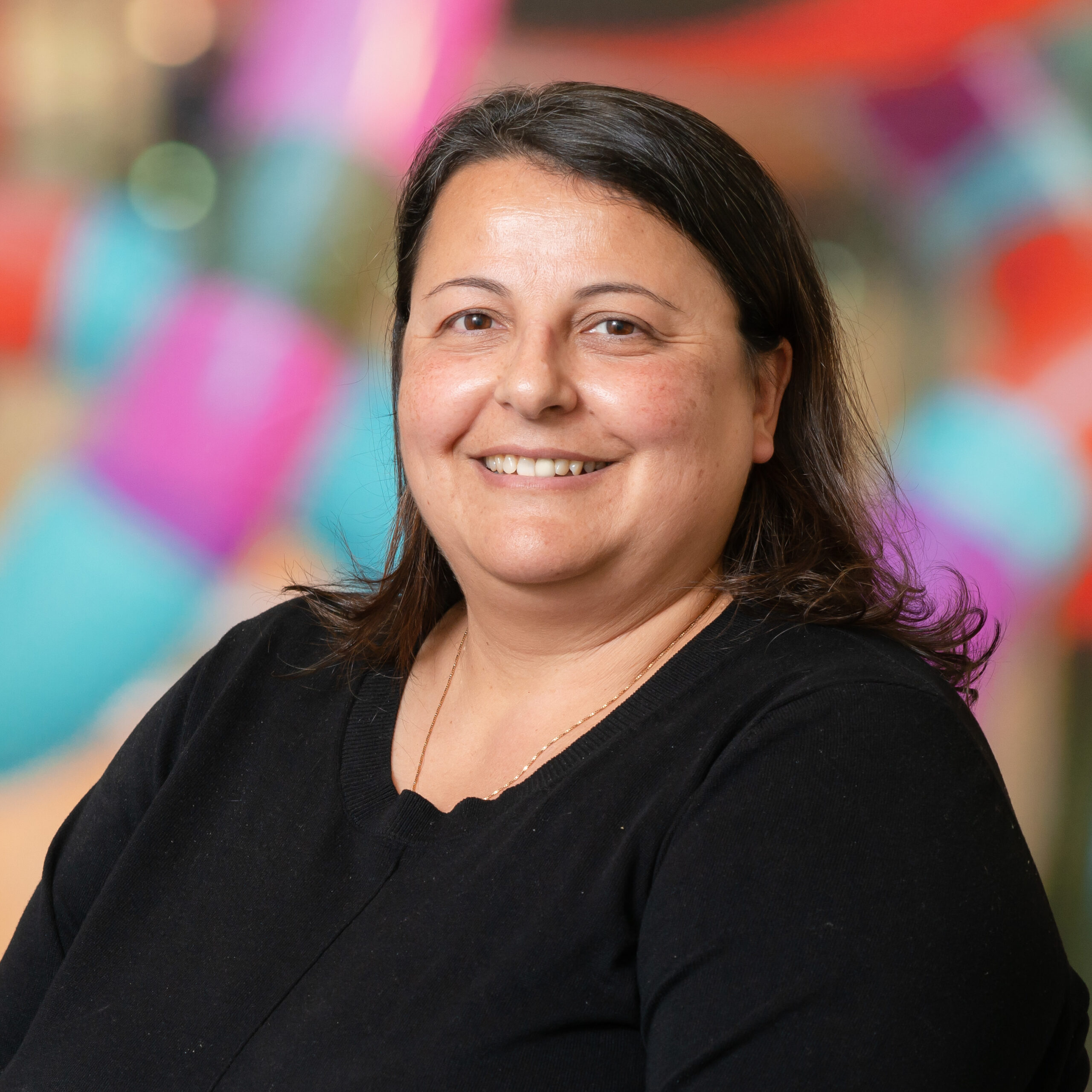
Carolina manages both the Child to Adult Transition Study (CATS) and the Victorian Adolescent and Intergenerational Health Cohort Study (VAHCS & VIHCS). She has a Masters in Educational Psychology, a PhD in Psychology and a decade’s experience of working with the Centre for Adolescent Health’s longitudinal studies.

Nandi has acted as the Deputy Director of CATS since she joined the team in 2022. She has a joint position across the Centre for Adolescent Health at MCRI and the School of Psychology at Deakin University. She completed a Masters in Clinical Neuropsychology and a PhD in developmental affective neuroscience at the University of Melbourne. Her research program uses longitudinal methods to improve our understanding of mechanisms that underlie adolescent-onset mental health problems, with a particular focus on neurobiological and endocrine processes. She is also interested in understanding the social environments that can either amplify or buffer these risk mechanisms, such as parent and peer relationships, early life adversity and social media use.

Anthony (Mbiostat) is a biostatistician at the Clinical Epidemiology and Biostatistics Unit (CEBU) at the Murdoch Children’s Research Institute (MCRI). His primary area of focus is on the use of observational studies to gain insights and to address various areas of research, with a particular emphasis on investigating cause-effect relationships. Anthony joined the CATS team in 2025, supporting the research team by providing assistance throughout all stages of the various CATS analyses, from the development of statistical analysis plans, conducting analyses, to presenting and unravelling findings, as well as providing statistical expertise whenever needed.

Ellie completed a PhD in life-course epidemiology at Loughborough University, UK. Her PhD focused on early life adversity (both psychosocial adversity and socioeconomic deprivation), weight histories, and later weight and cardiometabolic health profiles. Ellie joined the CATS team in July 2022 to fulfil a post-doctoral role as a research officer. Ellie’s role includes working within the publication team of the CATS study. She plays a key role in engaging and collaborating with study investigators, coordinating analyses, and leading publications.
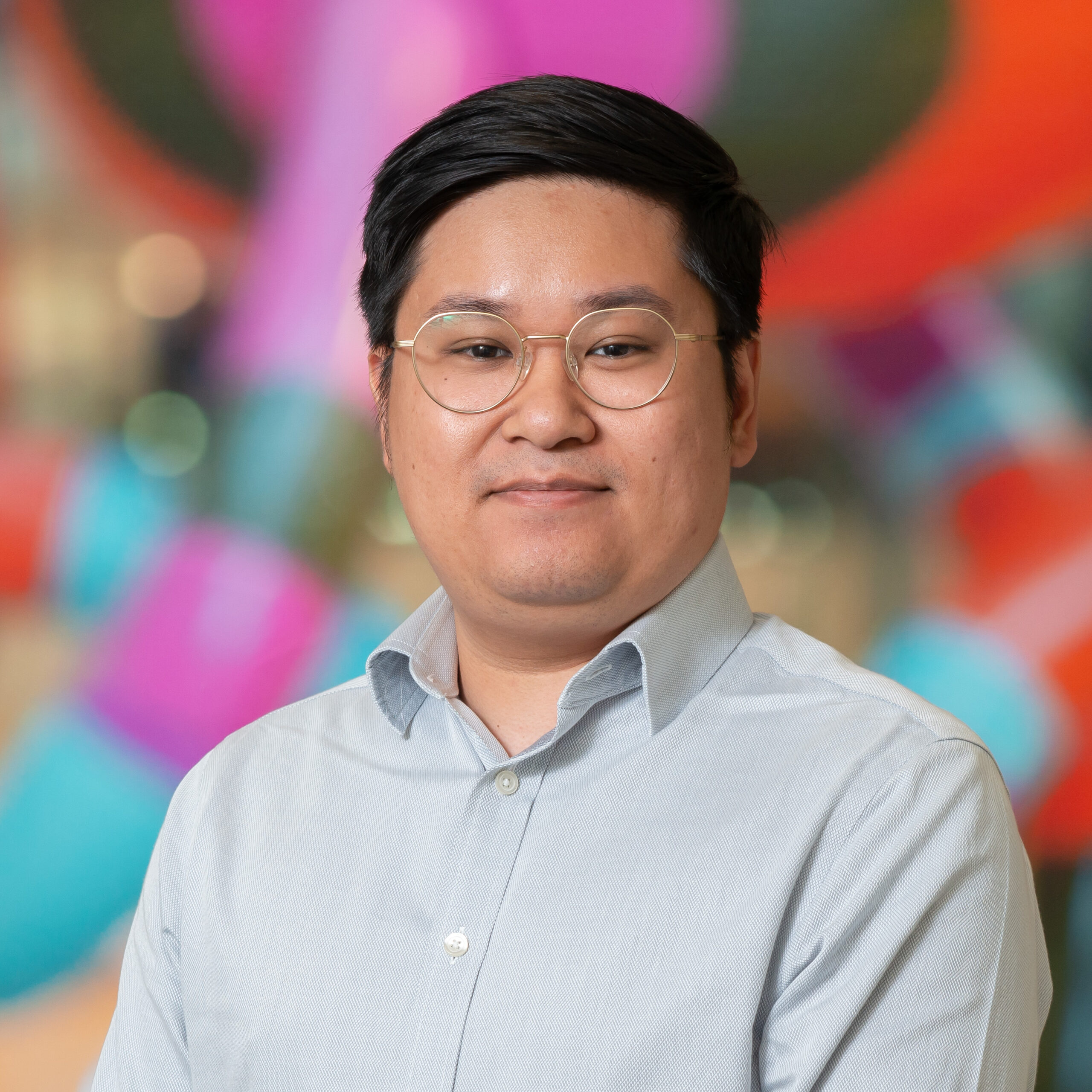
Hanafi (MBiostat) is a biostatistician with experience in analysing data from longitudinal observational health studies. He is also interested in analysis methods that addresses missing data commonly found in longitudinal studies. He supports key investigators and collaborators by reviewing and refining statistical analysis plans, performing complex data analyses, and providing advice on data collected in CATS. He also provides technical support to project assistants for data collection.

Lilli has a Bachelor of Arts with Honours in Psychology from the University of Melbourne. She is interested in the social and emotional development of young people as they transition into adulthood and beyond. Lilli began working at MCRI in 2016 and has worked on several projects, before joining the CATS study in 2022 to coordinate participant tracing and reengagement.
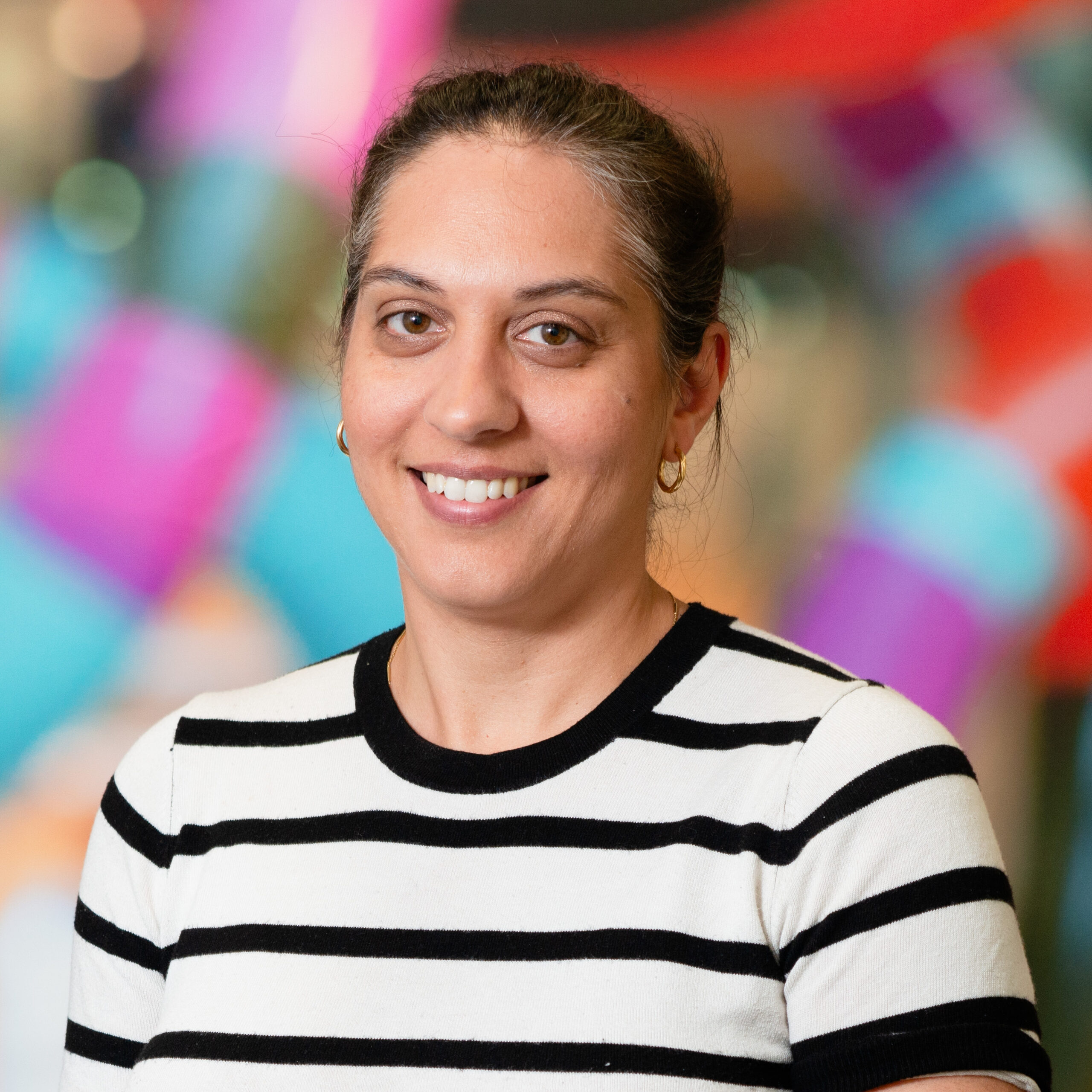
Louise has completed a Master of Biostatistics - she really enjoys working with numbers! Having worked at Murdoch Children's for the past 20 years, she has a lot of experience analysing longitudinal data. She is excited to help senior investigators discover more about mental health and the transition from childhood to early adulthood.
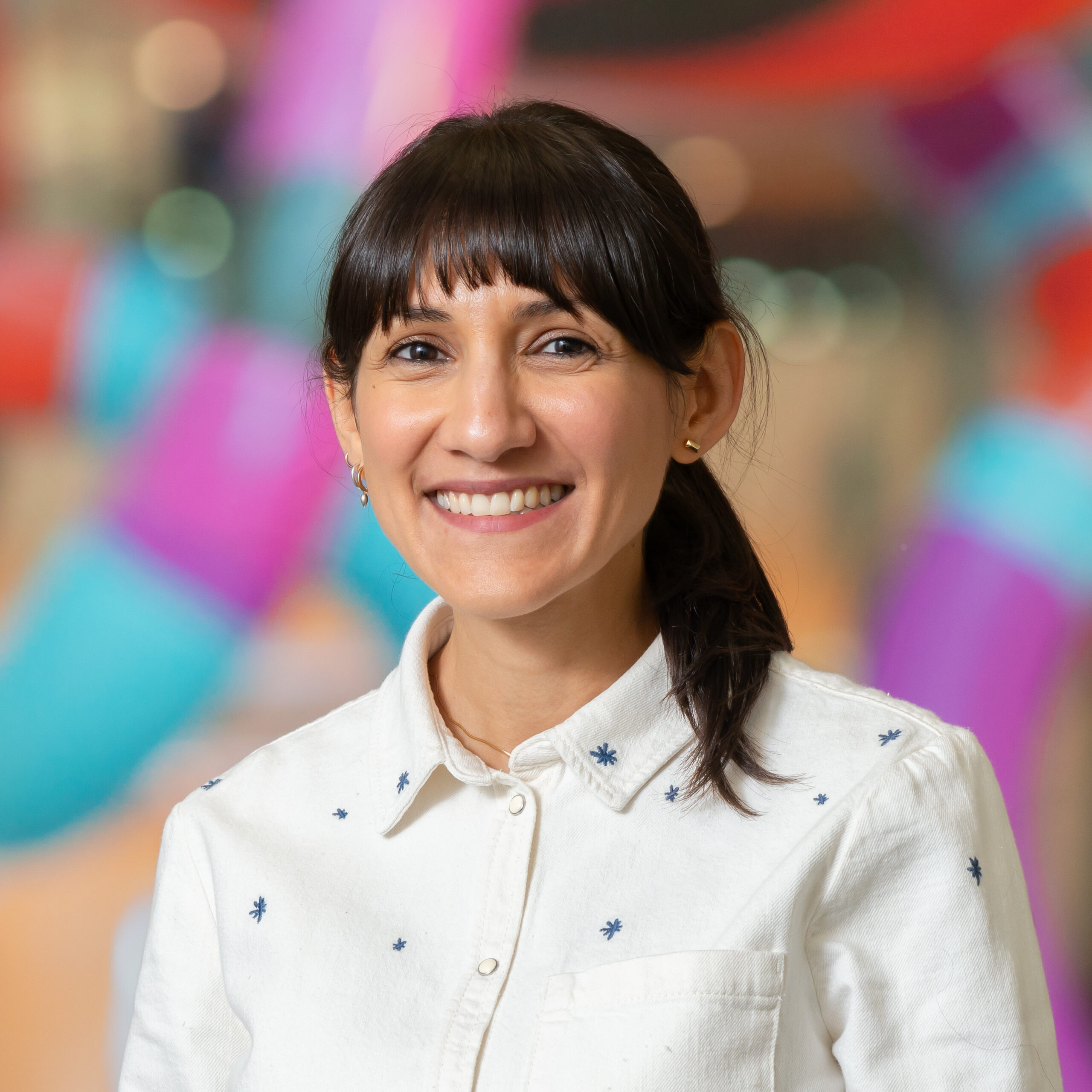
Ghazaleh (PhD, DDS, MPH) is a Senior Research Fellow at the Clinical Epidemiology and Biostatistics Unit at the University of Melbourne and the Murdoch Children’s Research Institute (MCRI). Her primary areas of research interest are developing, evaluating, and applying methods to better design and analyse observational studies addressing questions that would inform public health and clinical practice decision-making. Specifically, her current research focuses on causal inference and missing data methods. The substantive areas to which she contributes include cancer, mental health, adolescent health, intergenerational trauma, and family violence. She has been working closely with the core CATS team and the collaborators since 2020, providing high-level expertise in epidemiological and statistical methods to researchers who are interested in using the unique CATS data.

Susie (MPhil, MBiostat) is a biostatistician embedded within the Clinical Epidemiology and Biostatistics Unit (CEBU) at MCRI and provides high-level statistical expertise to researchers utilising the rich CATS data. Over the years at MCRI, she has developed expertise in the analysis of longitudinal observational data and contributed to research in child and adolescent health over the life course. Her passion is to help health researchers get the most from their data and have greatest impact, by first helping them refine their research questions, and then helping to develop a strong statistical plan to answer these questions well.
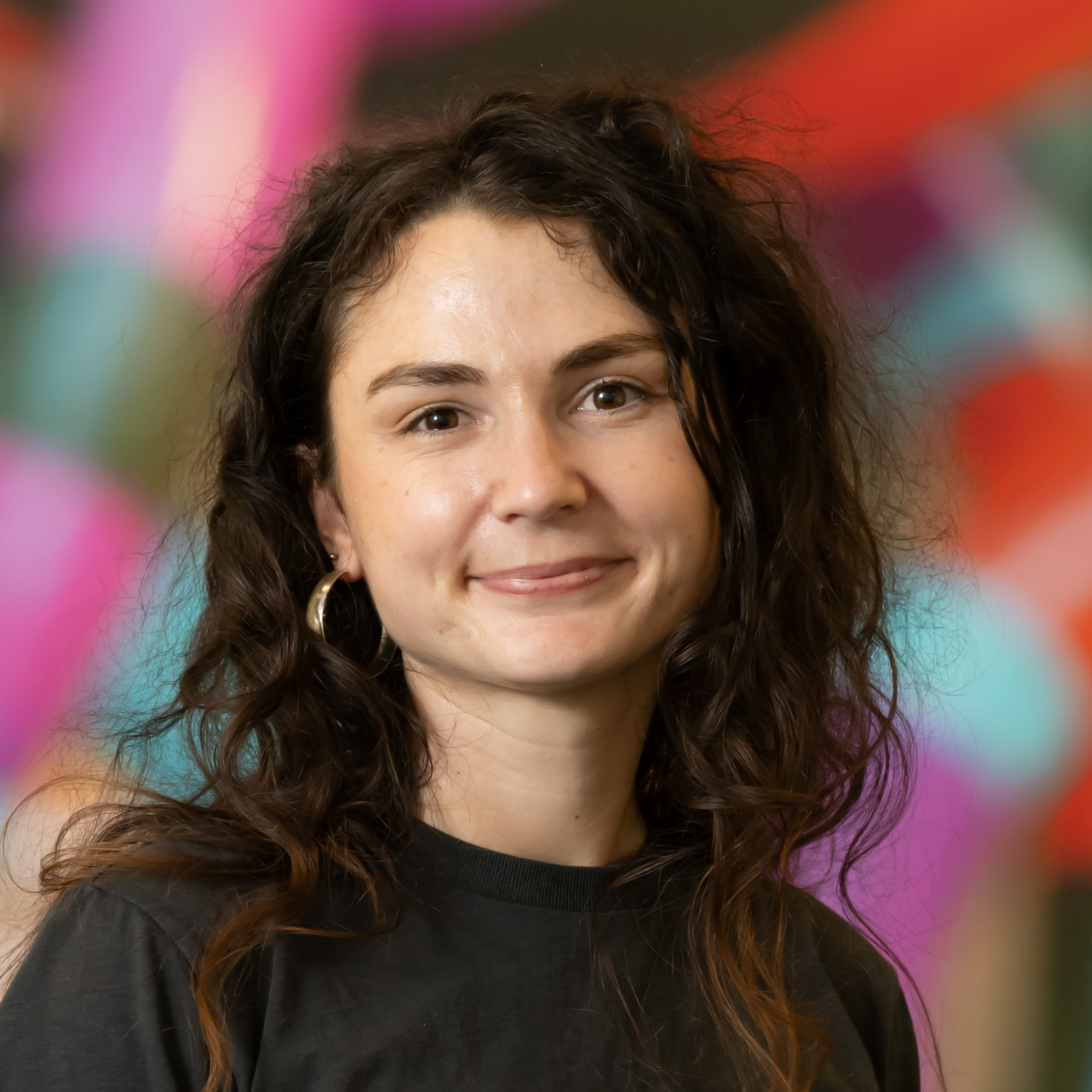
Ariella holds a Bachelor of Science with a major in Neuroscience from the University of Melbourne. She works across multiple longitudinal cohort studies at the Centre for Adolescent Health. Ariella is passionate about understanding the factors that shape young people's wellbeing and how best to support them through key developmental transitions. In 2024, Ariella joined the iCATS team, contributing to research on brain development into young adulthood.

Esther holds a Master of Criminology from the University of Melbourne. She joined the team at the beginning of 2025 having worked with a number of longitudinal studies looking at mental and physical health and development. Esther is passionate about contributing to health research and science communication.
A number of experts in child and adolescent health help to inform the study.
| Dr Rohan Borschmann | Murdoch Children's Research Institute and the University of Melbourne |
| Prof Anthony Capon | Monash University |
| Dr Patricia Cullen | University of New South Wales |
| Prof Louisa Degenhardt | University of New South Wales |
| Dr Holly Erskine | Murdoch Children's Research Institute |
| Dr Aaron Jenkins | University of Sydney and Edith Cowan University |
| Dr Lisa Mundy | Murdoch Children's Research Institute |
| A/Prof Margarita Moreno-Betancur | Murdoch Children's Research Institute |
| Prof Timothy Olds | University of South Australia |
| Prof Craig Olsson | Murdoch Children's Research Institute and Deakin University |
| Prof Victoria Palmer | University of Melbourne |
| Dr Monika Raniti | Murdoch Children's Research Institute |
| Prof Nicola Reavley | Murdoch Children's Research Institute |
| Prof Lena Sanci | University of Melbourne |
| Prof Russell Viner | University College London, Great Ormond Street Hospital for Children, UK |
| Prof Sarah Whittle | University of Melbourne |
The Reference Group was set up in 2012. It is made up of community members such as teachers and principals, as well as representatives from the research and education sectors. The purpose is to discuss and refine study procedures, and assist with the translation of study outcomes.
| Prof John Hattie | Melbourne Graduate School of Education, MGSE |
| Kris Arcaro | Victorian Department of Education and Training, DET |
| Cathy Henbest | Catholic Education Melbourne, CEM |
| Janice Boarder | Independent Schools Victoria, ISV |
| Sally Karlovic | Principal at North Melbourne Primary School |
| Don Kirk | Teacher at Caulfield Junior College |
| Dr Sara Glover | Mitchell Institute |
| Jim Rimmer | VicHealth |
| Andrea Krelle | Centre for Adolescent Health, CAH |